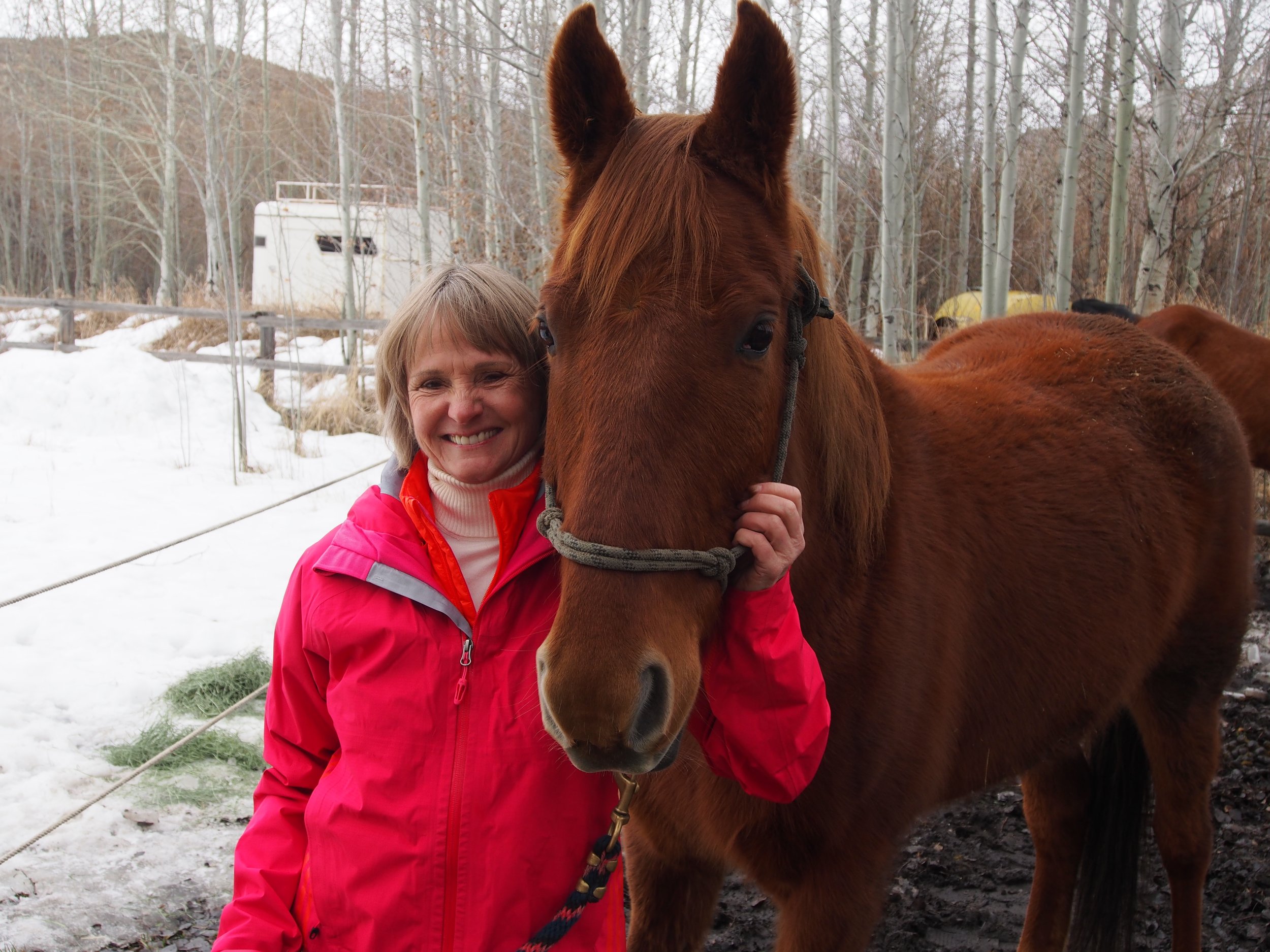
Life After Breast Cancer
Breast Cancer changes everything. Regaining one’s life after treatment can be difficult, frustrating and confusing. Do you wish that there was a way to help you recover from the emotional and physical trauma of breast cancer treatment with a step by step guide?
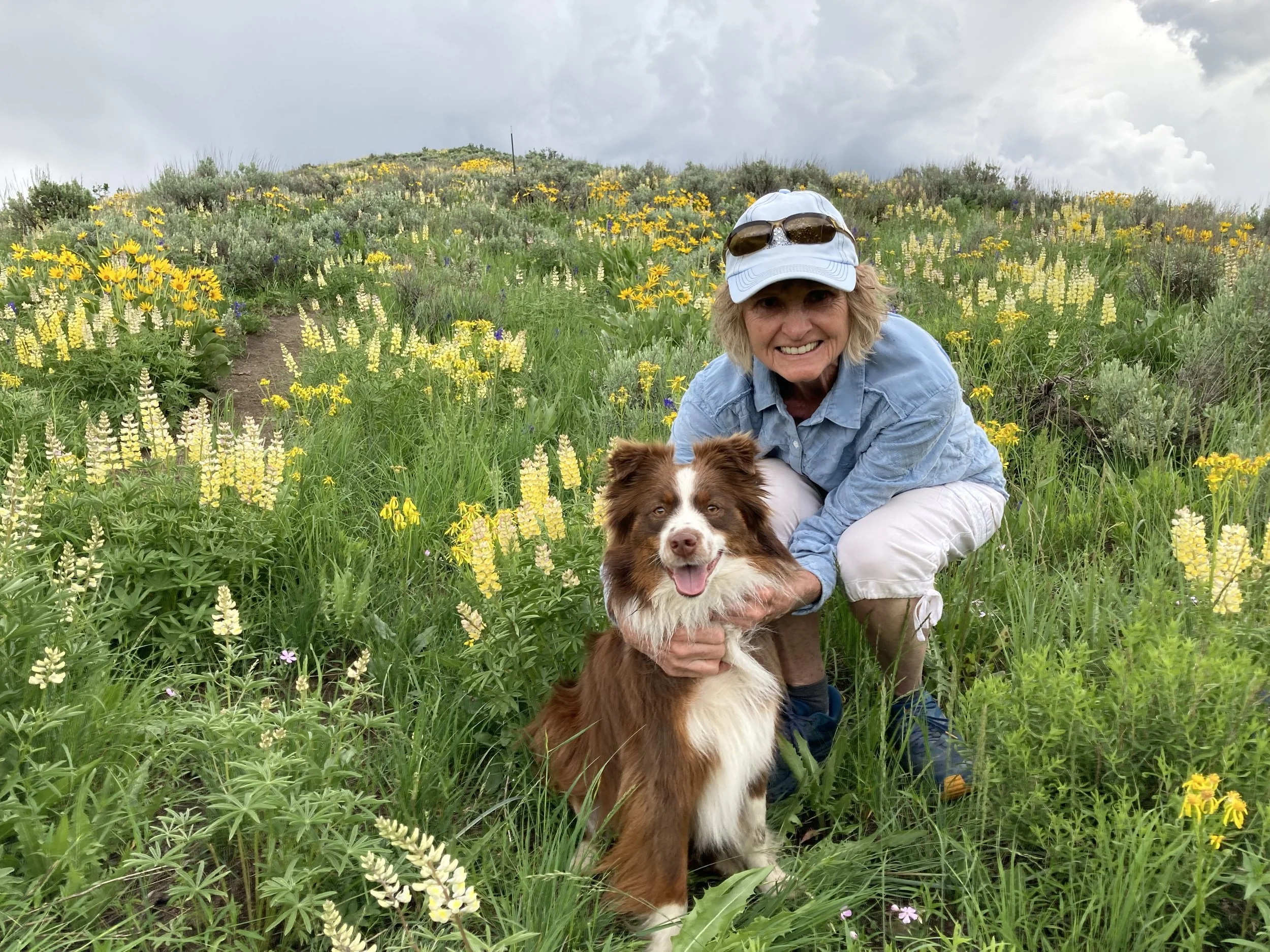
Breast Cancer and its treatment can be traumatic. Sometimes we get stuck in a trauma response, as if the trauma experience is still happening. It kind of feels like being in a time warp; we fail to experience that we are safe and well now, free of cancer.
This is when we can develop some of the symptoms of PTSD like sleep issues, anxiety, depression, irritability, diminished sense of happiness or joy to name a few.
If you have been struggling with getting your full sense of self back after Breast Cancer, this course if for you.
After my own struggle with recovering my full sense of self after breast cancer treatment, it became my goal to help other women who may also be struggling. I have worked as a licensed therapist with a speciality in treating trauma for the past 20 years. Even though I had the knowledge about trauma healing, I did not escape having to work hard, and use the tools I have provided in this course to regain my sense of wellbeing.
Healing from trauma is different for everyone. There is not a special time limit when you should "be over it”. Listen to your own inner voice and move past comparing your healing to someone else.
When we do our own healing, we can find strengths, wisdom and resources that we may not have known existed. This is your journey. Be yourself and pursue your highest dreams!
Life After Breast Cancer
Lifelong access

What this course DOES provide:
Education and definition of trauma.
Tools and exercises to help you recover from a traumatic experience.
Education and tools for calming the nervous system.
How trauma is coupled to other past traumatic experiences.
Information from Peter Levine about what we have learned from animals and how they re from trauma.
How to get out of the "trauma vortex", called the "rabbit hole" by some.
Resources: Websites, books and other sources of help.
Plus much, much, more.
FAQs
-
This course specifically targets those women who have experienced trauma associated with both the diagnosis and treatment associated with breast cancer and are struggling to get their lives back.
Depending on the treatment, we can be left feeling weak physically, and fragile emotionally. Many of us have been through alot and sometimes it is hard to make sense of it all.
I am a Licensed Marriage Family Counselor and had many of the symptoms of Post Traumatic Stress Disorder after treatment for Triple Negative breast cancer. I have specialized in my private practice in healing trauma and have advanced training in EMDR and Somatic Experiencing. My years of knowledge did not keep me from experiencing the trauma of a life threatening disease, but it did help me heal.
This course is based on my struggles after treatment, the tools that I used in my recovery and tools I use with my clients.
The tools in this course can be used by anyone who is experiencing a medical trauma. I have used these very tools with my male clients who have prostate cancer.
This course is also valuable for family members of cancer patients.
-
When the course is purchased, you will have life-long access.
-
There are videos and action steps to help guide you in your recovery. This is a self-paced course. Feel free to skip around or go back and repeat any segment.
-
With your purchase, you have permanent access to the course.
-
Yes. You will receive immediate access to the course once purchased.
-
This course is not intended to replace individual counseling or medical advice. I recommend that everyone that has faced a life threatening illness to seek counseling. This course can be a helpful adjunct to professional counseling, not a replacement.
-
Included in the course are a list of additional resources and websites where you can locate individual counseling.